


























By Dr. Jennifer M. Trendt, Reset Room
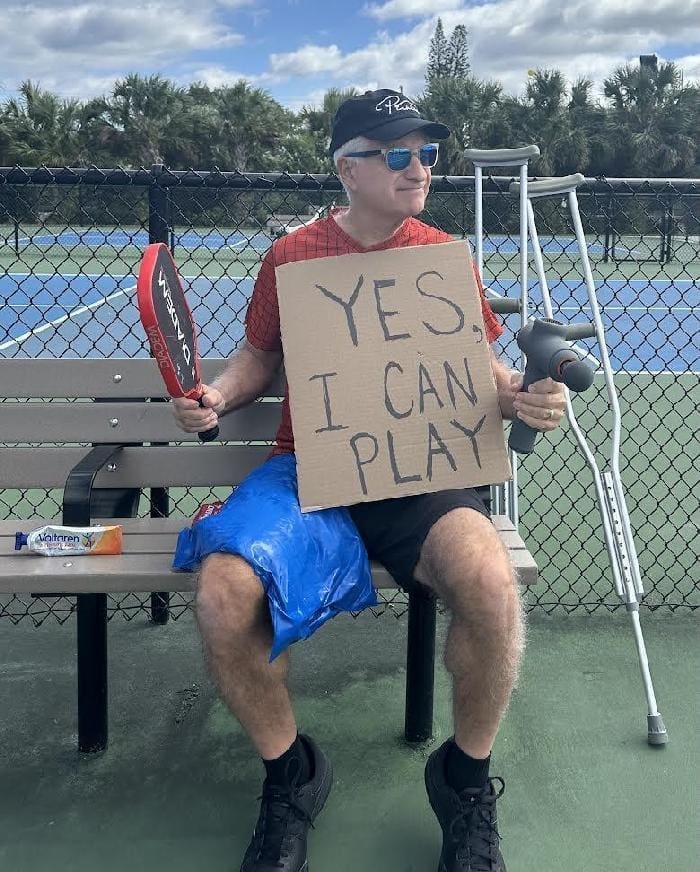
You didn’t plan to get hurt. It usually starts with something positive. The weather turns, your schedule opens up, and you decide it’s time to get moving again—pickleball with friends, a few rounds of golf, gardening, or getting back into the gym after some time away.
Then a few days later, it shows up. A dull ache in your elbow. A sharp pull when you grip something. Suddenly, even simple movements like lifting a coffee cup or opening a jar don’t feel quite right.
This is one of the most common patterns we see with weekend warrior injuries—and the elbow is often the first place it appears.
 Why the Elbow Takes the Hit
The elbow is a connection point for the muscles that control your wrist and grip. Every swing, lift, or repetitive motion places stress on these tendons. When activity increases quickly, those tissues don’t have time to adapt. That’s when we start to see conditions like tennis elbow, golfer’s elbow, and general tendon irritation. Despite the names, you don’t have to play tennis or golf to develop them. These injuries are extremely common in active adults returning to activity too quickly.
Why It Keeps Coming Back
You rest it for a few days, maybe even a couple of weeks, and it starts to feel better. Then you return to the same activity and the pain comes right back.
That’s because elbow pain often isn’t just inflammation—it’s a tendon issue. Over time, tendons can become irritated and less capable of handling stress. Without proper healing, the tissue temporarily settles down but never fully recovers.
Where SoftWave TRT Fits In
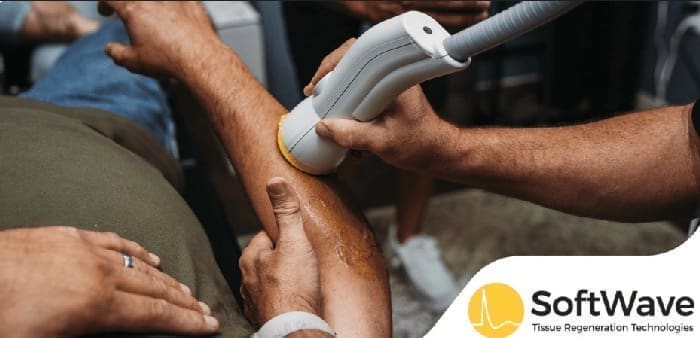
Traditional approaches often focus on masking symptoms, but SoftWave Therapy (TRT) works differently. It helps stimulate your body’s natural healing response at the tissue level. Using targeted acoustic waves, SoftWave can increase circulation, activate cells involved in tissue repair, support tendon healing, and reduce pain without injections or downtime. For tendon injuries, this matters because tendons typically have limited blood flow and heal slowly on their own.
Many patients come in after trying rest, braces, or anti-inflammatory treatments without lasting relief. Often, what’s missing isn’t effort—it’s the right stimulus to help the body repair itself more effectively.
If you’re starting to feel that nagging elbow pain, don’t ignore it and don’t just push through it. That’s usually what turns a small issue into a long-term problem. The goal isn’t to stop being active—it’s to stay active without paying for it later.
Staying active isn’t the problem. Staying healthy while doing it—that’s the goal.